Blog
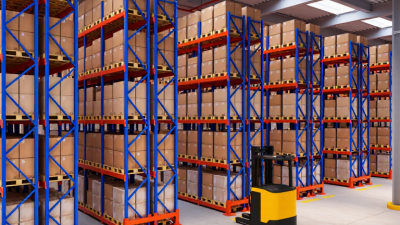
10 Pallet Storage Racking System Buying Tips
A Pallet Storage Racking System is more than a set of upright frames and beams. It shapes storage capacity, forklift movement, and how safely teams handle everyday loads. A small mismatch can matter: a pallet may overhang, a beam level may reduce clear height, or a truck may need more aisle space than the plan allows.
Industry data gives this decision useful context. CSCMP’s 35th Annual State of Logistics Report estimated U.S. business logistics costs at $2.3 trillion in 2023, equal to 8.7% of GDP. MHI’s 2024 Annual Industry Report also highlights technology adoption and operational resilience as ongoing supply-chain priorities. Neither report specifies the right rack layout for an individual warehouse. That depends on real site conditions.
Before buying, measure actual pallet dimensions and weights, not just catalog examples. Check forklift turning requirements, slab condition, sprinkler clearances, and future inventory changes. Ask suppliers for documented load ratings and installation details, then have the design reviewed by qualified professionals. A tidy drawing can still miss a column, an uneven floor, or a busy aisle. It happens. These ten buying tips will help you compare systems with practical questions, verify assumptions, and choose a setup that fits both today’s operation and its likely growth.
Read more »
 By:Evelyn
- November 12, 2026
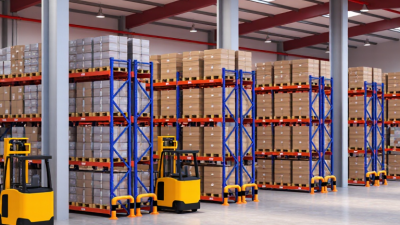
How to Choose Pallet Rack Systems for Your Warehouse?
Choosing Pallet Rack Systems is not simply a matter of fitting the most pallets into a building. The right configuration depends on inventory, handling equipment, and how orders move through the warehouse. A selective rack may suit products with many different SKUs, while drive-in, push-back, or pallet-flow systems can increase density for more consistent loads. Each option changes access, throughput, and operating requirements.
Start with practical measurements: ceiling height, aisle width, pallet dimensions, and the clearances needed for forklifts. Check load weights and rack capacity with a qualified supplier or engineer; assumptions about beams and uprights can create real safety risks. The floor matters, too. Its condition and capacity should be assessed before installation. Small details matter. A rack that blocks sprinkler coverage or leaves poor turning space may work on a drawing but frustrate daily operations.
Consider how inventory changes over time, not just what sits on the racks today. In practice, a layout that looks efficient on paper can slow workers when fast-moving products are difficult to reach. There is no perfect layout; trade-offs deserve a second look. Compare storage density with selectivity, replenishment effort, and future flexibility. Ask suppliers to explain their recommendations, provide capacity information, and clarify installation and inspection needs. A careful choice is based on site conditions and operating data, not a single sales claim. That gives your team a stronger starting point for a safe, workable warehouse plan.
Read more »
By:Evelyn
- November 12, 2026
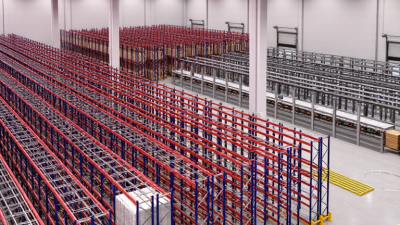
How to Choose the Right Pallet Racking System?
Choosing a pallet racking system is not just a matter of fitting more pallets into a building. The right design must suit your inventory, handling equipment, available floor space, and daily workflow. A narrow aisle may add storage positions, but it can also slow a forklift route. A heavy pallet needs more than a convenient shelf height. Small mismatches become costly over time.
Warehouse-storage consultant Alex Morgan puts it this way: “A rack works best when it fits the load, the lift truck, and the work around it.” Use that as a practical guide, not a substitute for a site assessment. Measure pallet dimensions and weights. Note the clear height, column locations, doorways, and sprinkler clearance. Watch how operators move through the space during a busy shift. Details matter.
This guide compares common options, including selective, double-deep, drive-in, and pallet flow racking. It explains how access needs, stock turnover, and storage density affect the choice. It also covers rack layout, load capacity, safety features, and future expansion. No single system wins every time. A high-density layout can look efficient on paper and still create awkward picking or replenishment. That trade-off deserves a closer look. Before choosing, confirm your assumptions with a qualified racking professional and the system manufacturer. Start with the work your warehouse must do, not just the number of pallet positions you hope to gain.
Read more »
By:Evelyn
- November 12, 2026