Engineered Industrial Rack Systems
Featured Heavy-Duty Racking Models & Certified Factory Direct Storage Solutions
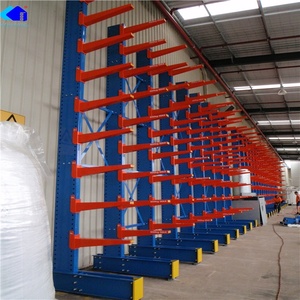
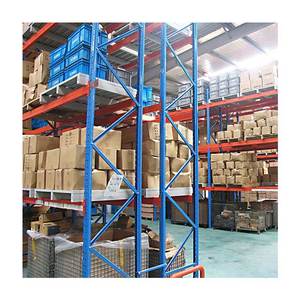
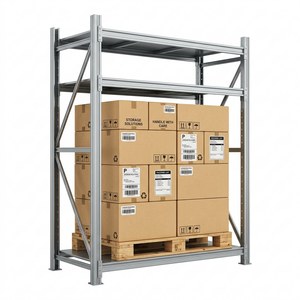
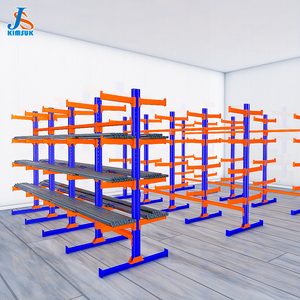
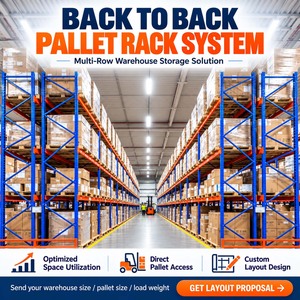
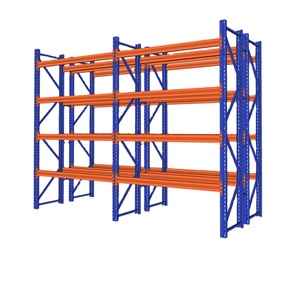
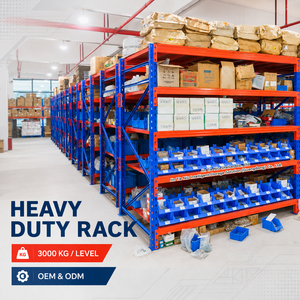
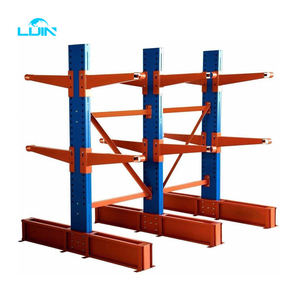
1. Executive Industry Overview & Structural Engineering Standards
Modern global logistics demands unprecedented storage density, structural safety, and seamless mechanical handling integration. Selecting a qualified warehouse shelving rack manufacturer requires looking far beyond basic price-per-ton metrics. Procurement directors and logistics infrastructure engineers must evaluate material yield strengths, beam deflection limits under static vs. dynamic loading, finite element structural modeling (FEA), and localized seismic resilience standards.
Industrial racking systems operate as specialized structural steel frameworks subject to complex multiaxial stress. Unlike static building structures, pallet racks and cantilever systems sustain continuous live-load impacts from forklift operations, automated guided vehicles (AGVs), and high-frequency pallet placement. Consequently, top-tier racking factories utilize continuous roll-forming lines with high-tensile structural steel grades such as Q235B, Q355B, SS400, or ASTM A1011 Grade 50.
Key Structural Certification Standards in Sourcing
When auditing global warehouse rack manufacturers, verifying strict compliance with international structural codes is mandatory to mitigate workplace hazard risks and ensure asset longevity:
- RMI (Rack Manufacturers Institute) ANSI MH16.1: The benchmark standard in North America for designing, testing, and applying industrial steel storage racks.
- FEM 10.2.02 / EN 15512: The European specification governing cold-formed steel static pallet racking, establishing stringent partial safety factors and beam connection rotation testing.
- INPRES-CIRSOC 103 / AS 4084: Specialized seismic engineering codes applying to high-hazard zones (e.g., Latin American Andean regions or Australasia), requiring dynamic modal analysis for frame stability during seismic events.
- ISO 9001 & CE Marking: Operational quality management standards verifying automated manufacturing repeatability, robotic welding integrity (AWS D1.1 compliance), and electro-static powder coating thickness metrics.
2. Global Benchmark: Top 10 Warehouse Shelving & Racking Manufacturers
To assist industrial buyers, 3PL managers, and general contractors in identifying optimal OEM partners, the following comparative breakdown highlights the world's leading warehouse rack engineering factories based on technical capability, custom manufacturing capacity, automated warehouse integration, and global supply reach.
1. SSI SCHAEFER (Germany)
Core Specialization: High-bay automated pallet racking, shuttle systems, and fully integrated AS/RS warehouse logistics structures.
2. MECALUX (Spain)
Core Specialization: European high-density racking, drive-in/pallet flow solutions, combined with integrated WMS warehouse management software.
3. JRACKING SYSTEM (China / Global)
Core Specialization: Heavy-duty cold-rolled pallet racking, vertical cantilever systems for long stock, certified export OEM manufacturing with extensive European/American certification profiles.
4. INTERROLL GROUP (Switzerland)
Core Specialization: Dynamic flow storage modules, high-efficiency gravity pallet flow rollers, and internal conveyor system sub-structures.
5. DAIFUKU (Japan)
Core Specialization: Enterprise-grade material handling automation, automated vehicle storage and retrieval structures for dark warehouses.
6. STOW GROUP (Belgium)
Core Specialization: Heavy-duty rack engineering, self-supporting silo warehouse buildings, and standardized European pallet rack frames.
7. UNARCO MATERIAL HANDLING (USA)
Core Specialization: Structural steel T-Bolt pallet racking, interchangeable roll-formed frames, and engineered pick-module structures.
8. FRAZIER INDUSTRIAL COMPANY (USA)
Core Specialization: 100% structural hot-rolled channel steel storage racks engineered specifically for severe forklift impact environments.
9. JUNGHEINRICH AG (Germany)
Core Specialization: Very Narrow Aisle (VNA) racking systems matched directly with specialized reach trucks and system automation.
10. RIDG-U-RAK (USA)
Core Specialization: High-capacity roll-formed selective rack systems, column protection systems, and seismic base-plate configurations.
Technical Comparison Matrix: Rack Systems & Operational Efficiency
| Storage System Type | Volumetric Space Density | Selectivity Rate | Optimal Inventory Flow | Primary Industrial Application |
|---|---|---|---|---|
| Selective Pallet Racking | Medium (40-50%) | 100% Direct Access | FIFO / LIFO Flexible | 3PL Warehouses, FMCG, Distribution Centers |
| Drive-In / Drive-Thru | Very High (75-85%) | Low (Per Lane) | Strict LIFO (FIFO for Drive-Thru) | Cold Storage, Seasonal Agro, Bulk Uniform SKUs |
| Push-Back Cart Racking | High (60-70%) | Medium (2-6 Deep) | LIFO | Food & Beverage, Intermediate Buffer Storage |
| Pallet / Carton Flow | High (65-75%) | High (Per Lane) | Strict FIFO | Perishables, Pharmaceuticals, High-Velocity Picking |
| Cantilever Racks | Variable / Heavy Load | 100% Unobstructed | Flexible Batch Access | Steel Tubes, Timber, Extrusions, PVC Pipes |
| AS/RS Automated Racking | Maximum (85-95%) | 100% Automated | WMS Programmed | Automated Logistics Hubs, E-Commerce Megasites |
3. Future Procurement Trends & Technological Advancements
The industrial storage industry is undergoing rapid digital and material transformation. Sourcing teams can no longer view racking as passive steel shelving; it is now a critical node in automated material handling ecosystems. Understanding these macro trends is vital when making long-term capital investments in storage infrastructure.
1. Automated Shuttle Integration & AMR Compatibility
Traditional manual forklift operation is increasingly complemented by Four-Way Radio Pallet Shuttles and Autonomous Mobile Robots (AMRs). Modern factories now roll-form upright profiles with extreme dimensional tolerances ($\pm 0.5\text{ mm}$) to accommodate laser-guided sensors and smooth robotic rail travel. Multi-deep shuttle systems dramatically increase vertical storage density while minimizing human-driven forklift collision damage.
2. Low-Carbon "Green Steel" & Advanced Surface Coatings
Environmental, Social, and Governance (ESG) mandates are driving top rack manufacturers to transition to zero-carbon recycled coil steel processed in electric arc furnaces (EAF). Furthermore, traditional solvent paints have been completely superseded by Epoxy-Polyester Electrostatic Powder Coating lines. Automated multi-stage pre-treatment wash cycles (phosphating or zinc-nanotechnology) ensure superior corrosion resistance, crucial for humid maritime ports and sub-zero cold storage facilities.
3. Real-Time Structural Telemetry & Smart IoT Baseplates
Leading rack engineering firms are pioneering IoT-enabled stress sensors and shock-monitoring node telemetry embedded directly into upright column guards and load-bearing beams. These sensors provide real-time alerts when a forklift impact exceeds structural yield thresholds or when dynamic overload occurs, allowing facility managers to execute preventative maintenance prior to catastrophic structural frame failure.
4. Enterprise Engineering Capabilities & OEM Advantages
Our manufacturing complex represents the pinnacle of modern cold-formed steel processing and heavy-duty structural engineering. By maintaining total control over steel coil selection, continuous roll-forming precision, robotic welding, and automated powder coating, we supply fully certified racking solutions engineered to exact client specifications.
- Precision Structural Engineering: In-house FEA (Finite Element Analysis) capabilities modeling static, dynamic, wind, and localized seismic load scenarios under RMI and FEM guidelines.
- Custom Column Profiles & Beam Connections: Heavy-duty teardrop, boltless wedge, and structural bolted connectors optimized for rapid erection and maximum torsional rigidity.
- Automated Production Lines: Continuous CNC punching and roll-forming machinery guaranteeing sub-millimeter hole pitch accuracy across 12-meter single-piece upright columns.
- Comprehensive Rack Safety Accessories: Heavy-duty column protectors, frame end barriers, wire mesh decking, pallet support bars, and drop-over decking designed to prevent accidental pallet displacement.
- Turnkey Project Management: From initial site laser survey and CAD floorplan optimization to factory production, container loading logistics, and supervised site installation.
Consult with Our Senior Structural Engineering Team
Request a custom CAD warehouse layout, certified load calculations, or factory-direct pricing for your next logistics development project.
5. Frequently Asked Questions (FAQ) for B2B Rack Procurement
Roll-Formed Racking is manufactured from thin-gauge sheet steel coil continuously shaped through rollers into open profiles (such as teardrop uprights). It is cost-effective, quick to adjust, and suitable for standard commercial warehousing. Structural Steel Racking is fabricated from hot-rolled C-channel structural steel. It offers immensely higher impact resistance, greater load capacities, and is the industry standard for high-traffic food distribution hubs, freezer buildings, and rough forklift handling environments.
In seismic zones, racking must handle horizontal inertial acceleration forces generated by ground movement. Structural modifications include enlarged, thicker baseplates, heavy-duty floor anchor bolts, specialized dynamic X-bracing, and reinforced beam-to-column locking connectors. Engineers use dynamic modal response spectrum analysis (e.g., CIRSOC 103 or US IBC codes) to ensure frames maintain stability without collapsing during an earthquake.
According to RMI and FEM specifications, maximum allowable beam deflection under full rated live load must not exceed Deflection = Length / 180 (or $L/240$ in higher precision automated systems). For example, a 2700mm beam under max payload must not sag more than 15mm. Exceeding this limit compromises structural elasticity, risks permanent plastic deformation, and creates dangerous instability during pallet loading.
A comprehensive design requires: (1) Detailed warehouse floor plans showing column grids, building expansion joints, clear truss heights, dock door locations, and overhead lighting/sprinkler lines; (2) Concrete slab thickness, compressive strength grade (e.g., C25/30), and reinforcement detailing; (3) Exact pallet dimensions (length x width x height), overhang, and gross weight per SKU; (4) Forklift truck operational parameters (aisle width requirement, mast height, and reach limits).
Minor column impact damage can often be safely rectified using engineered Pallet Rack Upright Repair Kits. These kits allow technicians to cut out the creased lower section of an upright and bolt in a heavy-duty structural replacement leg with internal sleeves, restoring original rated capacity without needing to dismantle the entire loaded bay. However, severe frame twisting or damaged diagonal bracing mandates immediate bay unloading and full structural component replacement.
Ready to Optimize Your Storage Infrastructure?
Partner with a global leader in heavy-duty warehouse racking manufacturing. Connect with our engineering specialists today for technical consultations, customized layout proposals, and factory direct quotes.