Engineering-Grade Industrial Shelving Solutions
Precision-engineered, heavy-duty racking systems compliant with international FEM 10.2.02 and ANSI MH16.1 structural standards.
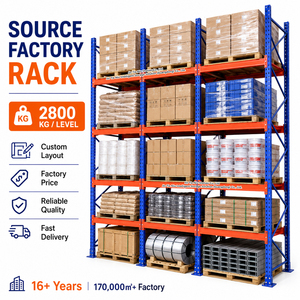
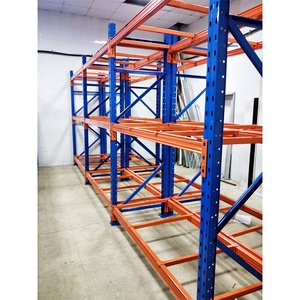
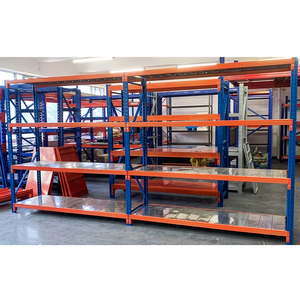
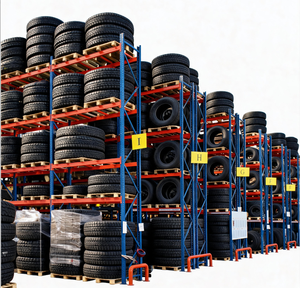
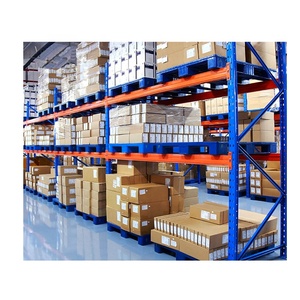
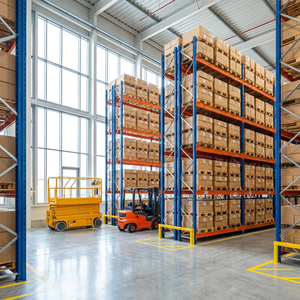
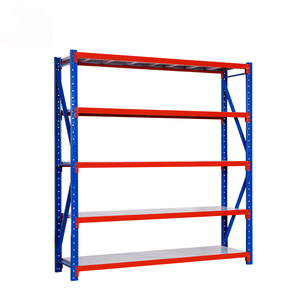
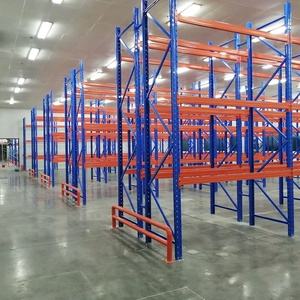
1. Enterprise Advantages: Engineering Rigor & Chinese Manufacturing Capabilities
As global supply chains face unprecedented volatility and demands for higher volumetric storage efficiency, selecting the right industrial shelving factory is a strategic infrastructure decision. China has established itself as the world’s manufacturing powerhouse for structural steel storage systems, combining advanced cold-roll forming technologies with unparalleled raw material supply chain economies. However, not all racking manufacturers adhere to the stringent tolerances required for modern high-bay logistics operations.
Our manufacturing complex operates at the intersection of metallurgy, structural engineering, and automated production. We utilize top-grade cold-rolled carbon steel, primarily Q235B and Q355B structural grades, ensuring optimum tensile strength, flexural rigidity, and fatigue resistance under static and dynamic loading cycles. Every batch of steel coils undergoes chemical verification and yield stress testing prior to entering our continuous automated profiling lines.
Structural Integrity Guarantee: Our rack designs comply directly with RMI (Rack Manufacturers Institute) ANSI MH16.1 specifications and European FEM 10.2.02 codes. Advanced Finite Element Analysis (FEA) is conducted for every custom rack geometry to model dynamic strain, seismic load redistribution, and deflection under maximum payload limits.
Cold-Roll Precision Forming
Multi-stage continuous cold-roll forming lines guarantee beam and upright profiles with strict cross-sectional symmetry and minimal residual stress.
Automated Powder Coating
Pre-treatment multi-stage phosphatizing followed by automated electrostatic epoxy-polyester powder coating yields superior corrosion resistance (salt spray tested >500 hours).
Seismic Structural Compliance
Tailored engineering calculations for high-risk seismic zones (including INPRES-CIRSOC and IBC standards) with heavy-duty baseplate anchoring configurations.
Furthermore, our robotic welding cells employ MAG/MIG shielded gas welding, delivering uniform weld seams across connector brackets and column baseplates. This eliminates human error, micro-cracking, and structural shear vulnerabilities, ensuring long-term operational safety in high-traffic distribution centers.
2. Technical Matrix: Industrial Rack System Specifications
To assist warehouse logistics directors and procurement engineers in matching system selection with operational demands, the matrix below outlines essential technical parameters across primary industrial shelving categories.
| Racking System Type | Load Capacity (Per Tier/Bay) | Material Specification | Access Selectivity | Ideal Application Scenario |
|---|---|---|---|---|
| Heavy-Duty Selective Pallet Rack | 1,000 kg – 4,500 kg / level | Q235B / Q355B Cold Rolled Steel | 100% Immediate Access | High SKU variety, FMCG, 3PL logistics hubs |
| Drive-In / Drive-Thru Racking | 500 kg – 1,500 kg / pallet | Structural / Roll-Formed Steel | LIFO / FIFO High Density | Cold storage, seasonal inventory, bulk goods |
| Multi-Tier Mezzanine Shelving | 300 kg – 1,000 kg / sq. meter | High-Grade Channel & Deck Steel | Manual / Pick-to-Belt Access | E-commerce order fulfillment, parts stockrooms |
| Medium-Duty Boltless Shelving | 200 kg – 800 kg / level | Cold-Rolled Sheet Metal & Post | 100% Hand-Pick Access | Archive storage, retail backroom, light industrial |
| Gravity Pallet / Carton Flow Rack | Up to 1,200 kg / lane | Reinforced Roller Track & Frame | Strict FIFO Rotation | Pharmaceuticals, perishable foods, automotive assembly |
3. Strategic Outlook: Future Procurement Trends in Industrial Shelving (2025–2030)
The global industrial shelving and pallet racking market is transitioning from commodity metal purchasing to strategic technological integration. Supply chain executives evaluating B2B procurement strategies in China must anticipate key structural shifts shaping the warehouse equipment ecosystem over the coming decade:
A. Total Cost of Ownership (TCO) vs. Initial Capital Expenditure
Historically, procurement managers focused primarily on per-kilogram steel prices or initial unit costs. Modern procurement methodology prioritizes Total Cost of Ownership (TCO). High-quality racking engineered with optimal deflection ratios (e.g., maximum L/200 beam deflection) prevents operational downtime caused by automated guided vehicle (AGV) sensor trips, beam binding, or column impact damage. Purchasing higher-tensile steel grades (such as Q355B over basic commercial Q195) reduces overall structural weight while expanding load safety margins, delivering significant savings on international freight and long-term facility maintenance.
B. Nearshoring & Modular Hybrid Logistics Systems
As regional fulfillment networks expand closer to urban centers, distribution facilities face vertical constraints. Procurement trends show a 40% surge in demand for modular, height-adjustable mezzanine and narrow-aisle (VNA) racking systems. Chinese factories that offer customizable OEM/ODM designs capable of integrating seamlessly with third-party conveyors, automated sorting systems, and robotic shuttles are replacing rigid static rack suppliers.
C. Environmental, Social, and Governance (ESG) Decarbonization
Tier-1 global enterprises now demand transparency regarding the carbon footprint of factory output. Leading Chinese shelving manufacturers are responding by shifting toward green steel feedstock produced via Electric Arc Furnaces (EAF) rather than traditional blast furnaces. Furthermore, solvent-free electrostatic powder coating lines with closed-loop water recycling and heat recovery systems are becoming mandatory criteria in vendor qualification scorecards.
4. Technology & Product Development Trends in Storage Systems
Product innovation in industrial shelving is accelerating in parallel with the rise of Smart Warehouses and Automation 4.0. Static steel structures are rapidly evolving into dynamic, intelligent physical assets.
1. Automated Storage and Retrieval Systems (AS/RS) Integration
High-bay AS/RS systems reaching heights of 30 to 45 meters require structural manufacturing tolerances unheard of in conventional racking. Straightness tolerances of upright frames must be maintained within ±1mm per 10 meters of height. Chinese factories specializing in AS/RS racking utilize high-precision CNC laser punching machines and specialized alignment jigs to ensure smooth guide rail interaction with crane shuttles.
2. IoT Structural Health Monitoring & Sensorized Racking
Impact damage from forklift collisions remains the leading cause of catastrophic warehouse rack collapses. Next-generation industrial shelving incorporates embedded IoT strain gauges, tilt sensors, and wireless impact indicators within upright protectors. These real-time telemetry systems alert facility managers to structural stress overloads or structural displacements before critical failure occurs.
3. Surface Treatment Metallurgy for Extreme Environments
With cold-chain logistics expanding globally to support food safety and biopharmaceuticals, rack finishing technology has advanced significantly. Pre-galvanized cold-formed profiles combined with thermo-cured anti-microbial epoxy coatings ensure that racks operating in sub-zero freezer environments (-30°C) or high-humidity coastal zones remain immune to hydrogen embrittlement, rust flaking, and microbial accumulation.
5. Comprehensive B2B Procurement FAQ
Direct answers to critical technical and logistical questions faced by global procurement officers when sourcing industrial shelving from China.
Optimize Your Warehouse Density with China's Premier Racking Factory
Connect directly with our structural engineering department for complimentary layout design, FEA structural calculations, and factory-direct project quotations.
Contact Us